Rated excellent on Google
Free shipping over €70
Over 7,500 satisfied customers






Short & honest: If you are against a food allergic If you are, that doesn't automatically mean that you react to the shisha aroma of the same name - because a “Strawberry” flavor usually does not contain real strawberries (and therefore not the allergy-causing protein). But: That's not certain. Carrying shisha tobacco no allergen labeling (Tobacco is not a food), some flavors come from real ingredients (nuts, milk, honey), and you can access them flavorings themselves react (e.g. cinnamaldehyde as a respiratory sensitizer). The hot steam also irritates the respiratory tract. Conclusion: A known allergy or intolerance is a reason for this Be careful, no free ticket – If in doubt, avoid aroma and seek medical advice. This text is general information and does not replace medical advice.
"I can't tolerate nuts - can I smoke nut shisha?", "I'm allergic to cinnamon, is cinnamon flavor a problem?" Such questions are legitimate - and the answer is more nuanced than a simple yes or no. We have those Facts from reputable, independent sources compiled (authorities, EU law, allergy specialist organizations and medical literature) and draw clear, honest conclusions from them.
Yes – but it is rare, and “allergy” is not the same as “allergy”. It is important to differentiate between a true (immunological) allergy, an intolerance/pseudo-allergy and mere irritation from the smoke. A lot of what looks like a “hookah allergy” is actually one Irritation of the respiratory tract or an effect of Carbon monoxide and nicotine. But there are also real allergic reactions - in the specialist literature there are even rare, severe cases described after smoking water pipes, including Anaphylaxis and one acute eosinophilic pneumonia (a hypersensitivity reaction of the lungs to inhaled substances).
| Type of reaction | What's behind it | Typical triggers for shisha | Typical signs |
|---|---|---|---|
| Real allergy | Malfunction of the immune system (often IgE-mediated) | Flavorings/fragrances, allergenic residues (nuts/milk/honey), rarely “tobacco” | Hives, shortness of breath, swelling, in extreme cases anaphylaxis |
| Intolerance/pseudo-allergy | Reaction without classic immune antibodies (e.g. to additives) | certain additives/preservatives, histamine effects | Skin redness, headache, circulation, gastrointestinal |
| Irritation from the smoke | Direct irritation of the respiratory tract (not an allergy) | heated propylene glycol/glycerin → formaldehyde/acrolein, fine dust | Cough, sore throat, watery/burning eyes |
| Carbon monoxide & nicotine | Poisoning/active ingredient effect (no allergy) | burning coal (CO), nicotine in tobacco | Headache, dizziness, nausea, racing heart |
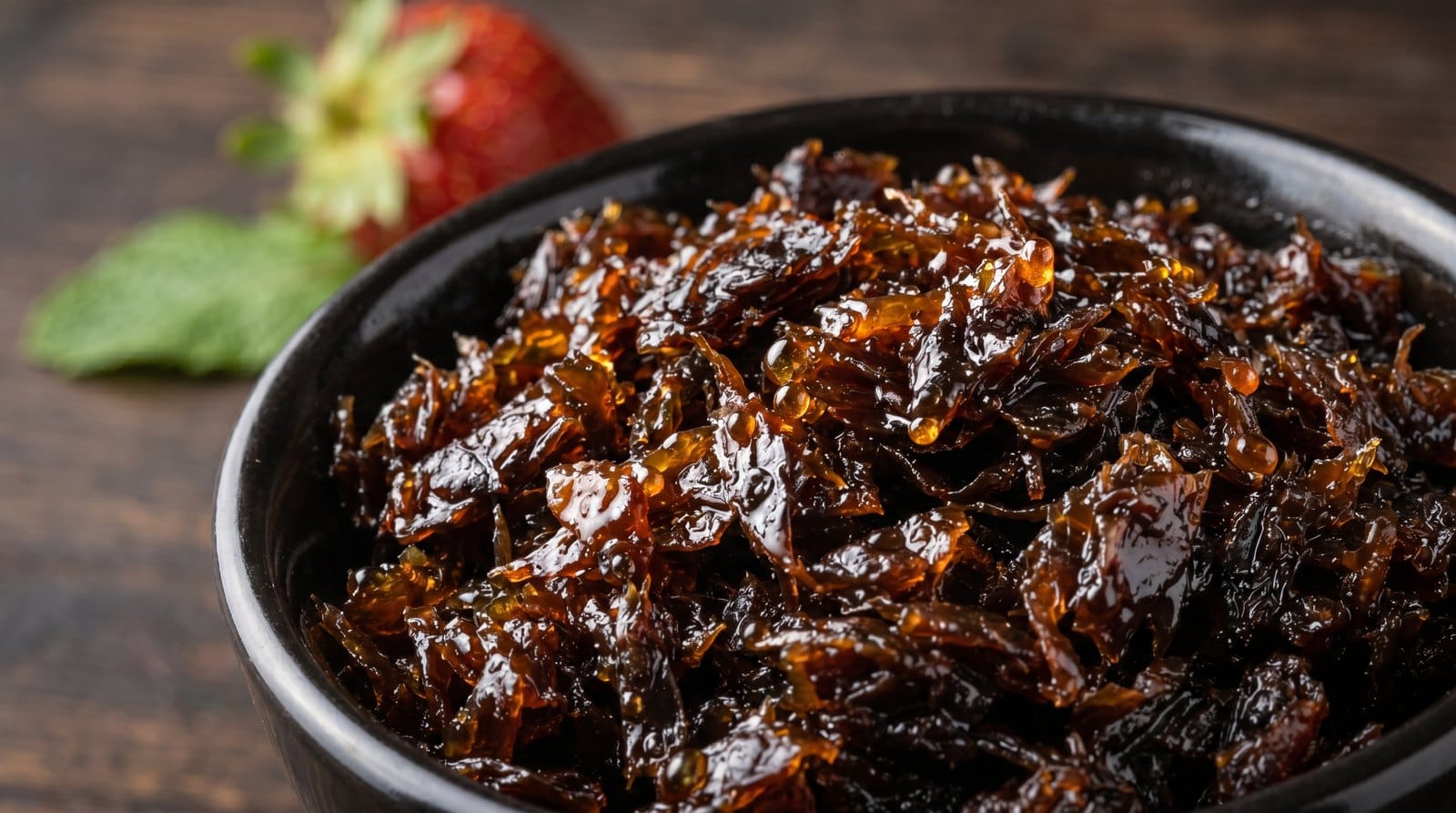
According to the classification of the Federal Institute for Risk Assessment (BfR) Water pipe tobacco is a mixture of Tobacco, molasses (sugar syrup) and humectants – and he is often strongly flavored. The aromas range from fruit (strawberry, grape, citrus, apple) to mint to sweet/dessert notes. These are usually used food-grade flavorings (natural, nature-identical or artificial), syrups and humectants such as glycerin and propylene glycol.
Two things are crucial for allergy sufferers:
The most important point for food allergy sufferers: one Classic food allergies are directed against proteins (proteins) of the food – e.g. B. certain nut, milk or fruit proteins. A aroma on the other hand, typically consists of individual scent/flavor molecules and usually contains not the allergenic protein of the whole food. Allergy specialist organizations get to the point: The mere Odor of a food does not contain any protein and therefore does not normally trigger a “real” food allergy.
Let's combine the facts into one honest recommendation: If you have a real food allergy (e.g. to nuts), the shisha flavor is of the same name usually not the classic risk of anaphylaxis because the triggering protein is usually missing. “Usually not” is not “certainly not”:
Regardless of a food allergy, you can use it Flavorings and fragrances themselves react. Many of them are on the EU list Fragrance/flavoring allergens that require labeling (known from cosmetics). You can sensitize (creating the predisposition to allergy) or Irritate mucous membranes and respiratory tract. A prominent example is Cinnamaldehyde (cinnamaldehyde): It is considered Asthma sensitizer and in studies of aromatic liquids it was even found in many varieties that sound nothing like “cinnamon” (fruit, berry, “sweet”).
| Material | Typical aroma direction | Possible reaction/classification |
|---|---|---|
| Cinnamaldehyde (Cinnamal) | Cinnamon – but it is also found in many fruit and sweet flavors | Considered a respiratory sensitizer; can be irritating. Fragrance/aroma allergen that requires EU labeling |
| Eugenol | Clove, spicy | Known contact/mucous membrane allergen (sensitization possible) |
| Limonene & Linalool | Citrus, floral-fresh | Form sensitizing degradation products when exposed to air due to oxidation |
| Coumarin, vanillin | Vanilla, sweet, “Tonka” | Flavoring substances subject to labeling; can irritate mucous membranes/promote oxidative stress |
| Menthol / Menthone | Mint, “Cold”, cooling | Banned as an additive in water pipe tobacco since May 20, 2020 (cooling, makes inhalation easier) |
| Propylene glycol / glycerin | Humectants (found almost everywhere) | When heated, formaldehyde/acrolein is produced → respiratory irritation |
More common than a “real” allergy is one Intolerance or irritation. Two mechanisms are particularly relevant:
And very important to differentiate: Headaches, dizziness, nausea and palpitations after smoking are usually no allergy, but signs of Carbon monoxide (from the burning coal) and nicotine. Anyone who mixes this up is looking at the wrong end. Details about this in the guide Shisha in apartment & balcony (Carbon monoxide section).
For the allergy question this is legal situation surprisingly important – especially because it explains why you learn so little about the ingredients:
Pay attention to your body when consuming a new strain (especially for the first time). Possible signs of an allergic reaction:
And again to differentiate: kicking Headache, dizziness and nausea on, is the more likely cause Carbon monoxide - then the following applies: get out into the fresh air, ventilate well, and if suspected, also 112.
If you know what you are sensitive to, you can control your choices. The range can be found in our shop filter by aroma direction – so you can record critical notes (e.g. Cinnamon/spice, nut/cream, “cold”/mint) handle it consciously and find varieties that suit you.
Sensitive to certain notes? Filter the range according to aroma direction and redirect critical ingredients in a targeted manner.
Important: This replaces no Allergen labeling and not medical advice. If you have a known allergy, if in doubt, avoid the trigger and ask an allergist.
Yes, this is possible - but rare and often difficult to distinguish from mere irritation. A real allergic reaction is usually not directed against “the tobacco” itself, but against individual components: flavorings/fragrances (e.g. cinnamaldehyde, eugenol, limonene), additives or – theoretically – allergenic residues from the aroma. Rare, severe reactions to waterpipe smoking have even been documented in the medical literature, including anaphylaxis and acute eosinophilic pneumonia (a hypersensitivity reaction of the lungs). If you have a known allergy or asthma, please seek medical advice.
Cautious answer: better not without consulting a doctor. The “strawberry” or “nut” flavor in shisha tobacco usually consists of flavorings and does not contain the entire food with its allergy-triggering protein - so the classic cause of anaphylaxis is often missing. But this is not guaranteed: Some flavors are obtained from real food, ingredients made from nuts, milk or honey are possible, and there is nothing about this on the can due to the lack of allergen labeling. Inhaling also has a different effect than eating. If you have a real food allergy, you should avoid the corresponding flavor and, if in doubt, ask an allergist.
Usually not as a whole food. The fruit flavor comes predominantly from flavorings (natural, nature-identical or artificial) plus molasses/sugar syrup and humectants. However, individual ingredients can come from allergenic sources (e.g. nut, milk or honey-based ingredients). Because tobacco is not a food, such allergens do not have to be declared like food does - so you can't be sure by looking at the can.
No. Tobacco is not legally a food and is therefore not subject to the EU Food Information Regulation (VO 1169/2011), which requires the labeling of the 14 main allergens. Although manufacturers have to report their ingredients to the authorities, there is no consumer-directed allergen labeling like there is for food. So don't rely on the packaging for your allergy.
Food-grade flavorings are often used - but “approved for food” does not mean “safe for inhalation”. When heated, the chemistry changes: humectants such as propylene glycol and glycerin can produce irritants such as formaldehyde and acrolein, and some flavorings (e.g. cinnamaldehyde) are considered respiratory sensitizers. Approval as a food flavoring says nothing about the safety of the smoke inhaled.
Not automatically. Tobacco-free products (e.g. steam stones or steam paste) still contain flavorings and humectants - so the flavor-related risks remain. In addition, “tobacco-free” does not mean “nicotine-free” – some tobacco-free pastes still contain nicotine. Tobacco-free is not a free pass if you have a known aroma sensitivity.
Possible signs include skin reactions (itching, hives, redness), respiratory symptoms (coughing, wheezing, tightness, shortness of breath), runny nose/itchy eyes or - in severe cases - circulatory problems. Important: Many “reactions” after shisha (headache, dizziness, nausea) come from carbon monoxide and nicotine, not from an allergy. If you suddenly experience shortness of breath, swelling in the mouth/throat or circulatory collapse, immediately call 112.
Menthol as an additive in water pipe tobacco has been banned in Germany since May 20, 2020 - because of its cooling, local anesthetic effect, which makes it easier to inhale. In this context, the BfR also mentions substances such as menthone and 1,8-cineole. Pure “mint” flavors without menthol can still be offered in some cases, but the cooling menthol additive is no longer available.
Note: This article is general, journalistically prepared information no medical advice. If you have a known allergy, asthma or intolerance, please clarify consumption with a doctor; In an emergency, call 112. Sales are only available to people aged 18 and over - the healthiest choice is not to smoke.